Photo by Elite Dwellings
For many property developers and investors, the most profitable opportunities are not always the obvious ones. While large development sites often attract strong competition and higher purchase prices, smaller or more complicated properties can offer significant untapped potential. With the right strategy, these “tricky” sites can be transformed into highly profitable projects.
In today’s competitive property market, developers who are able to identify and unlock value in challenging properties often gain a clear advantage.
Why Small and Difficult Sites Are Often Overlooked
Tricky properties tend to be ignored for several reasons. They may have awkward layouts, limited access, unusual plot shapes or planning constraints that discourage less experienced investors. In some cases, buildings may require significant refurbishment or creative design solutions to make them viable.
However, these challenges also mean there is often less competition from other buyers. This can allow investors to acquire properties below market value, creating the foundation for a profitable project.
The key is recognising potential where others only see obstacles.

Reimagining the Layout
One of the most effective ways to unlock value in smaller or awkward properties is through thoughtful reconfiguration of the internal layout. Many older properties have inefficient floorplans with underused space, oversized hallways or poorly arranged rooms.
By redesigning the layout, developers can often create more practical living spaces, improve natural light and maximise usable floor area. Open-plan living areas, well-designed storage and carefully positioned bedrooms can significantly improve the overall appeal of a property.
Even modest structural changes can transform how a property functions and increase its market value.

Making the Most of Vertical Space
When working with small sites, thinking vertically is often the key to unlocking additional value. Loft conversions, mezzanine levels and roof extensions can add valuable floor space without increasing the building’s footprint.
These additions can be particularly effective in urban areas where land is limited and property values are high. Adding an extra bedroom or office space through a loft conversion, for example, can significantly boost both resale value and rental income.
Where permitted, these changes can turn a modest property into a far more attractive investment opportunity.

Creative Design Solutions
Awkward plots or irregular building shapes often require creative design thinking. Skilled architects can develop solutions that maximise natural light, improve circulation and create a sense of space even within constrained sites.
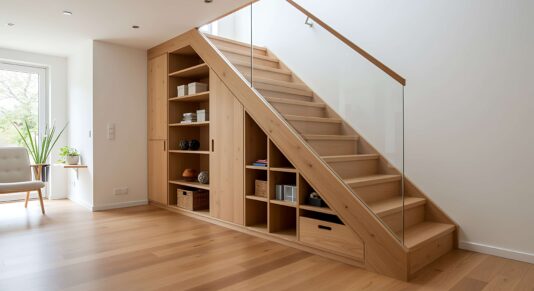
Features such as built-in storage, large glazing panels, clever lighting and flexible layouts can make smaller homes feel much larger than they actually are. Thoughtful design also helps ensure the property appeals to modern buyers and tenants.
In many cases, it is these design-led solutions that transform a challenging site into a desirable home.
Understanding Planning Opportunities
Planning considerations are another important factor when developing smaller sites. Some properties may benefit from permitted development rights that allow extensions, conversions or additional units without the need for full planning permission.
Understanding these opportunities early in the acquisition process can significantly increase the potential value of a project.
Working with planning consultants and architects during the feasibility stage helps ensure that any development strategy aligns with local planning policies.

Small or complex properties often hide significant development potential. While they may require more creative thinking and careful planning, they can offer strong returns for developers willing to look beyond the obvious.
By reimagining layouts, making use of vertical space and applying thoughtful design solutions, developers can turn overlooked properties into attractive, profitable homes. In a competitive property market, these smaller opportunities can often deliver some of the most rewarding results.

About the Author:
Mary and Andrew are architects, designers, and, most importantly, HMO investors. They combine their knowledge of HMO investing with their 20+ years of experience in architecture to help investors maximise the potential in their projects through layout optimisation and high-end design. Learn more about Mary and Andrew here.