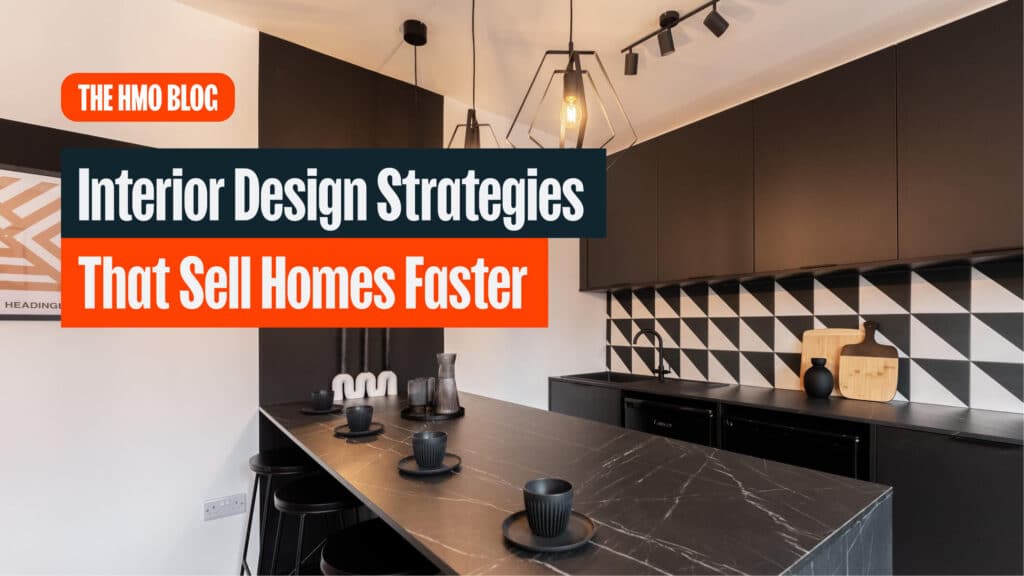
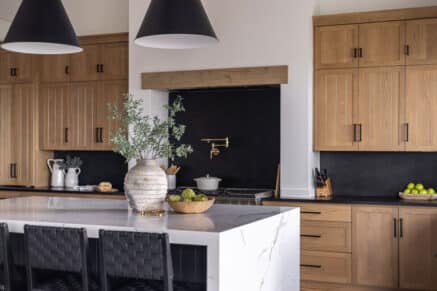
Photo by Elite Dwellings
In today’s competitive property market, presentation can significantly influence how quickly a home sells. While location and price remain key factors, the way a property is designed and presented can dramatically affect buyer perception. Thoughtful interior design helps potential buyers visualise themselves living in the space, often leading to faster offers and stronger sale prices.
For developers, investors and homeowners preparing a property for sale, focusing on the right design strategies can make a measurable difference.
Start with a Neutral, Timeless Palette
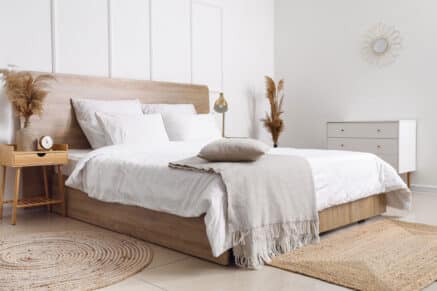
One of the most effective ways to appeal to a broad range of buyers is by using a neutral colour scheme. Soft whites, warm greys, light taupes and muted earth tones create a calm and inviting atmosphere that allows buyers to imagine their own furniture and style in the space.
Bold or highly personalised colours may reflect the current owner’s taste but can make it harder for potential buyers to picture the property as their future home. A neutral backdrop also helps rooms feel brighter and more spacious, which is particularly valuable in smaller properties.
Maximise Natural Light
Bright, well-lit homes almost always feel more attractive to buyers. Natural light enhances the sense of space and makes interiors feel more welcoming.
Simple design choices can make a big impact, such as using light-coloured finishes, reflective surfaces and strategically placed mirrors to bounce light around a room. Window treatments should be minimal and allow as much daylight as possible to enter the space.
Developers and renovators should also consider the layout carefully to ensure living spaces benefit from the best available light.
Create a Clear Sense of Space
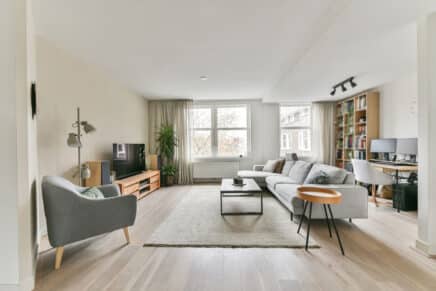
Buyers respond strongly to homes that feel open, functional and well organised. Good interior design helps define how each area should be used, making the layout easy to understand.
Avoid overcrowding rooms with furniture or decorative items. Instead, use a limited number of well-chosen pieces to demonstrate how the space works while still allowing it to feel spacious.
Open-plan living areas remain highly desirable in many parts of the UK, particularly when they combine kitchen, dining and living spaces in a way that feels natural and practical.

Focus on Kitchens and Bathrooms
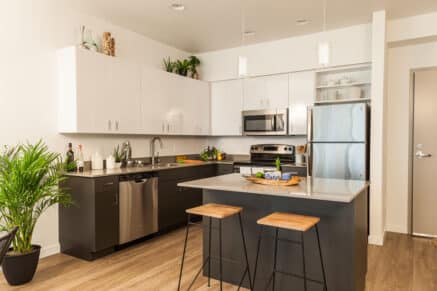
Kitchens and bathrooms are often the rooms that most influence buying decisions. Even relatively modest upgrades in these areas can improve the perceived value of a home.
Modern cabinetry, updated fixtures, contemporary lighting and clean finishes can transform these spaces without requiring a full renovation. The goal is to create a fresh, well-maintained appearance that reassures buyers the property has been cared for.
Simple details such as new handles, updated taps and modern splashbacks can make a surprisingly large impact.
Use Styling to Create an Emotional Connection
Successful property design isn’t just about practicality—it’s about creating an emotional response. Carefully styled interiors can help buyers imagine the lifestyle the home offers.
Soft furnishings, artwork, plants and subtle decorative elements can add warmth and character without overwhelming the space. The aim is to create an environment that feels welcoming and aspirational.
Keep It Clean and Cohesive
Finally, consistency is key. Materials, colours and finishes should feel connected throughout the property. A cohesive design scheme creates a sense of quality and attention to detail that buyers notice immediately.
Clutter should be minimised, surfaces kept clear and rooms presented in a way that highlights their best features.
Interior design plays a powerful role in how buyers experience a property. By focusing on neutral colours, maximising light, creating clear layouts and carefully styling key spaces, sellers and developers can significantly improve the appeal of a home.
In many cases, these thoughtful design decisions help properties stand out in the market, leading to faster sales and stronger offers.

About the Author:
Mary and Andrew are architects, designers, and, most importantly, HMO investors. They combine their knowledge of HMO investing with their 20+ years of experience in architecture to help investors maximise the potential in their projects through layout optimisation and high-end design. Learn more about Mary and Andrew here.